
If you’re searching for how to sell an upside-down car, you’re probably feeling stuck. Owing more on a car loan than the vehicle is worth can make it feel like selling isn’t even an option. I’ve been there, and I want you to know that it is possible, and sometimes it’s the smartest financial move you can make.
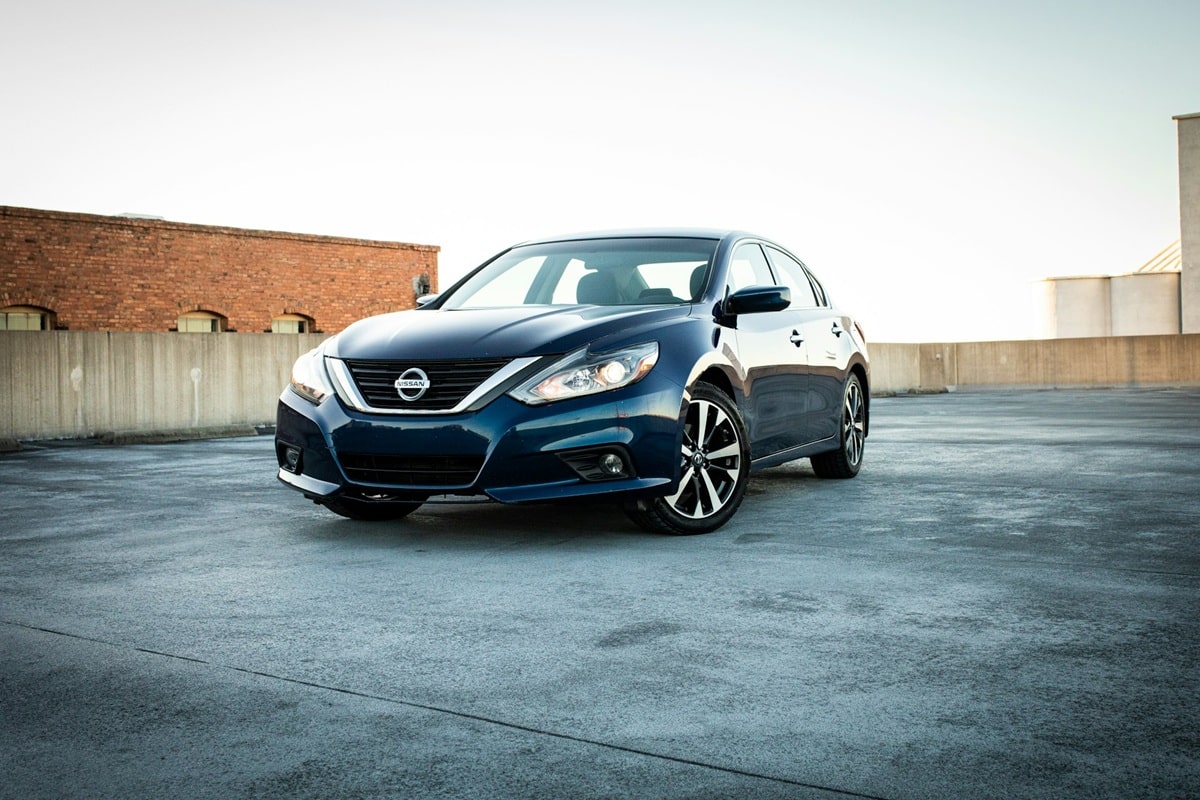
Early in my financial journey, I bought a brand-new Nissan Altima. On paper, it felt responsible. In reality, the monthly payment, higher insurance, and fast depreciation quietly held me back. Eventually, I sold that car at a $1,000 loss and replaced it with a used car I bought for $2,500. That one decision freed up cash flow, reduced stress, and helped me move forward financially.
Here’s how to sell a car you’re upside down on, step by step, and why taking a small loss can lead to a big win over time.
What It Means to Be Upside Down on a Car Loan
You’re upside down, or underwater, on a car loan when you owe more than the car is worth. This usually happens because vehicles depreciate quickly, especially new cars. If you try to sell the car, the sale price won’t fully cover the loan balance, which means you’ll need to make up the difference.
For example, if you owe $15,000 on your loan but your car is only worth $13,500, you’re upside down by $1,500. That gap is what keeps most people stuck in vehicles they can’t afford.
Why I Chose to Sell My New Car at a Loss
When I finally took a hard look at my Nissan Altima, I realized the real cost wasn’t just the payment. It was the opportunity cost.
Every month, the payment limited what I could do with my money:
- Restricted my monthly cash flow
- Came with higher insurance costs
- Lost value quickly
- Slowed down my financial goals
When I compared keeping the car versus selling it, the math was clear. Taking a $1,000 loss upfront would save me far more over time. I sold the car, bought a $2,500 used vehicle with cash, and eliminated my car payment. That short-term pain led to long-term flexibility.
How to Sell an Upside-Down Car
The first step is understanding what your car is actually worth. Get real numbers, not guesses. Online buyers like CarMax and Carvana can give instant offers, and sites like Kelley Blue Book can help you estimate private-party value. Focus on realistic selling prices, not best-case scenarios.
Next, contact your lender and ask for your exact payoff amount. This is usually a 10-day payoff, including interest and fees. Your monthly payment doesn’t matter here; the payoff amount does.
Once you have both numbers, calculate your negative equity by subtracting the car’s selling price from your loan payoff. This difference is the amount you’ll need to cover to sell the vehicle.
At this point, you’ll need a plan to cover the gap. Common options include:
- Paying the difference in cash if you have savings
- Using a small, short-term personal loan
- Combining savings with temporary extra income
- Accepting a manageable loss to gain long-term relief
What you want to avoid, if possible, is rolling negative equity into another car loan. That usually keeps people stuck in the same cycle.
After that, it’s time to sell the car. Private-party sales on sites like Craigslist typically bring in more money, but dealerships and online buyers are faster and simpler. If you’re selling privately while upside down, you’ll need to coordinate closely with your lender, often meeting at the bank to handle the payoff and title transfer correctly.
What to Buy After You Sell
Selling the upside-down car is only half the equation; what you replace it with matters just as much.
To avoid repeating the cycle, aim for a car that:
- Fits comfortably within your budget
- Has lower insurance and ownership costs
- Can be purchased with cash
My $2,500 used car wasn’t flashy, but it was reliable. More importantly, it supported my financial goals instead of fighting them. Use a car-buying app to find options within your price range.
Is Selling an Upside-Down Car Worth It?
In many cases, yes—even if you take a loss. Selling an upside-down car can lower your monthly expenses, reduce stress, and free up cash flow. Over time, that margin allows you to pay off debt faster, save more, and invest consistently.
The goal isn’t to win the car transaction. The goal is to win with your money over the long term.
Summary
Selling an upside-down car doesn’t mean you failed. Sometimes it means you learned, adjusted, and chose progress over pride.
Selling my Nissan Altima at a loss wasn’t easy, but it gave me flexibility, breathing room, and momentum. If a car payment is holding you back, it’s worth asking what your financial life could look like without it. That single question can change everything.
Recommended Reading