A new cultural fight is unfolding in public view, and it’s no longer just about performances or programming. It’s about principle, power, and perception.
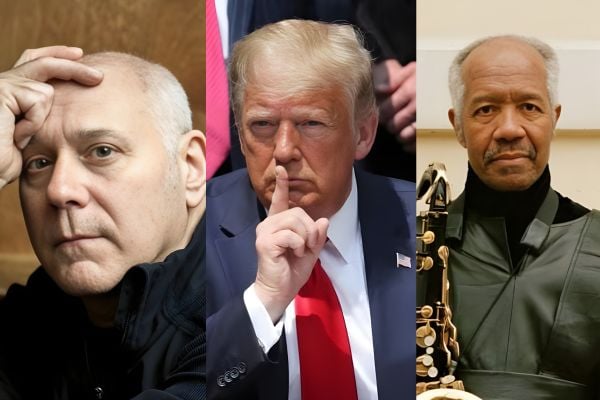
In recent weeks, several artists have canceled scheduled shows at the Trump Kennedy Center, citing concerns tied to politics, leadership, and what the venue now represents. Supporters of the cancellations see it as a moral stand. Critics see it as a betrayal of the very idea of art as a shared space.
The backlash has been swift. So has the pushback. But at the center of the debate is a larger question many people are now asking out loud: Are these artists protecting the arts, or using it to make a political point?
Why the Cancellations Sparked Immediate Outrage
The Kennedy Center has long held symbolic weight. It isn’t just a venue. It’s a national institution tied to culture, history, and broad public access. For decades, artists of all backgrounds performed there without the space itself becoming the story.
That changed fast. As news spread that some performers were pulling out in protest, critics accused them of turning art into a political weapon. Social media lit up with accusations of hypocrisy.
People asked:
If art is for everyone, why refuse to perform?
If audiences are diverse, why punish them?
If inclusion matters, who gets excluded first?
The argument gained momentum as more cancellations followed.
Grenell Fires Back at Canceling Artists
Richard Grenell, now associated with leadership changes at the Kennedy Center, responded directly to the growing list of cancellations.
In a post on X, he didn’t hold back.
The artists who are now canceling shows were booked by the previous far left leadership.
Their actions prove that the previous team was more concerned about booking far left political activists rather than artists willing to perform for everyone regardless of their political…— Richard Grenell (@RichardGrenell) December 30, 2025
That statement poured gasoline on an already heated conversation. Supporters praised Grenell for saying what they felt artists wouldn’t admit. Critics accused him of dismissing genuine concerns and reducing artistic expression to loyalty tests. The divide widened instantly.
Is the Kennedy Center Still a Neutral Space?
This is where the debate sharpens. Some artists argue that performing at the Trump Kennedy Center signals endorsement, even if unintentional. They see the venue’s association as inseparable from politics.
Others reject that idea outright. They argue that stages don’t vote. Buildings don’t campaign. Audiences come for art, not ideology. For them, canceling performances feels like surrendering the shared cultural ground rather than protecting it. The question becomes less about intention and more about impact.
Who loses access when shows disappear? Who decides what spaces are acceptable; who draws the line, and where does it stop?
When Protest Meets Performance
Art has always intersected with politics. That part isn’t new. What feels different now is how quickly performance choices turn into loyalty statements. Appear, and you’re complicit. Cancel, and you’re virtuous.
That binary leaves little room for nuance. Some fans feel punished for debates they didn’t choose. Others feel validated seeing artists take visible stands. Both reactions coexist. Loudly.
What This Moment Says About the Arts Right Now
This controversy isn’t just about one venue. It reflects a broader tension around culture, ideology, and public institutions. Trust is thin. Assumptions are fast. Compromise feels rare.
Artists face pressure not only to perform, but to signal alignment. Audiences face fewer opportunities to engage across differences. The arts thrive on shared experience, but the question is what happens when shared spaces become battlegrounds.
Are cancellations a principled stand or a political overreach? Should art rise above politics, or confront it head-on? Who gets to decide what serving “everyone” really means? The debate isn’t slowing down. And neither side is backing away.
What do you think?